
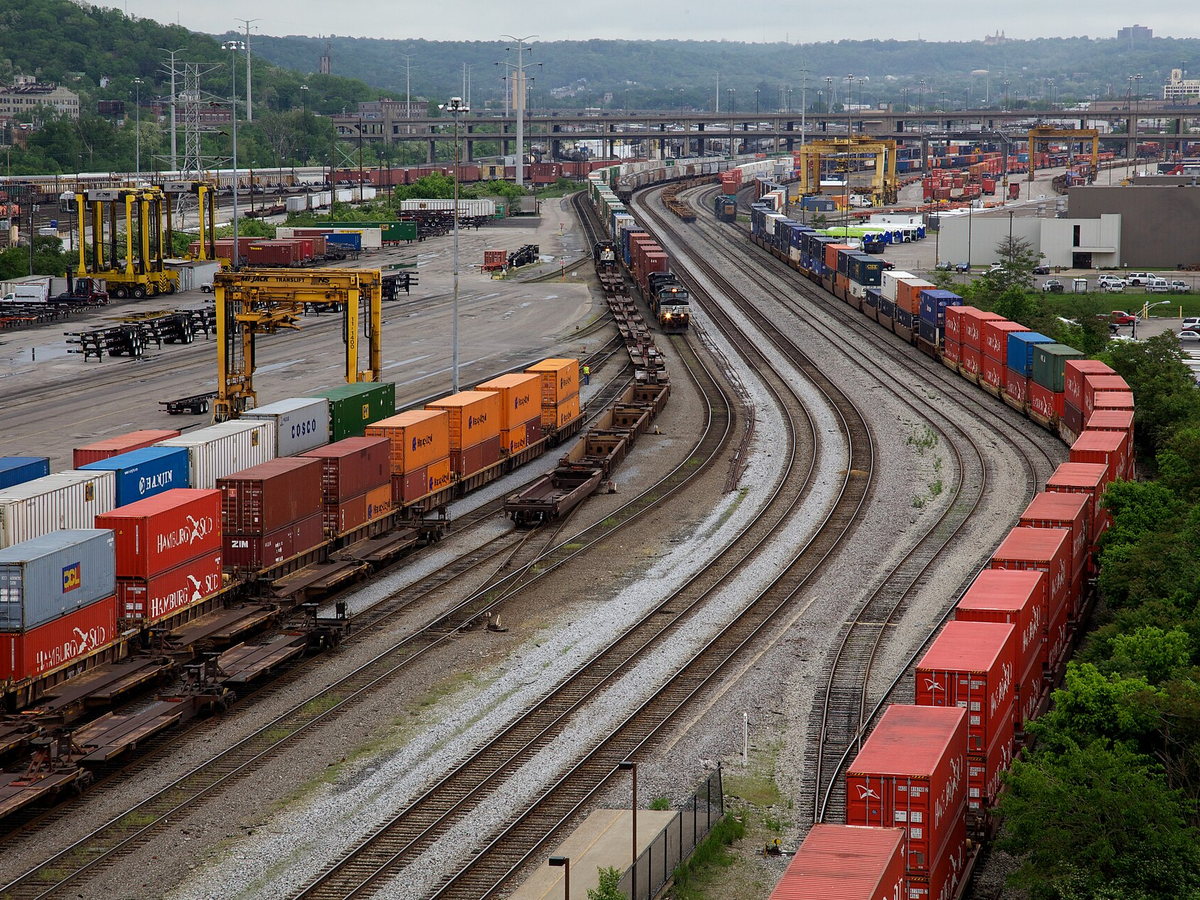
Most arguments about freight are really arguments about Incoterms. The term you agree decides who books the shipment, who insures it, who clears customs and — when something goes wrong — who pays.
The 2020 terms, in practice
Incoterms 2020 defines eleven terms. Six cover the overwhelming majority of Asian export orders, and the differences that matter commercially are the ones in the table below.
| Term | Seller is responsible for | Buyer is responsible for | Best used when |
|---|---|---|---|
| EXW Ex Works | Seller | Everything after collection | Buyers with their own freight forwarder and import capability |
| FOB Free On Board | Seller up to loading on vessel | Freight, insurance, import | The most common term for containerised sea freight from Asia |
| CFR / CIF Cost and Freight / + Insurance | Seller pays freight (CIF includes insurance) | Import duty and onward delivery | Buyers who want a single delivered-to-port price |
| CIP Carriage and Insurance Paid To | Seller pays carriage and all-risk insurance to the named place | Import duty and final delivery | Higher-value or fragile goods where all-risk cover matters |
| DAP Delivered At Place | Seller delivers to the named place, duty unpaid | Import duty, VAT/GST and unloading | Buyers who want door delivery but handle their own duty |
| DDP Delivered Duty Paid | Seller handles everything including duty | Unloading and internal distribution | Buyers who want a landed cost with no customs involvement |
Two clarifications are worth repeating because they cause most of the disputes we see:
- Incoterms do not transfer ownership of the goods. They allocate cost, risk and obligation. Title transfer is a separate contractual clause and should be stated explicitly.
- Incoterms do not cover payment. The payment method — T/T, L/C, D/P — is agreed separately and has nothing to do with the trade term.
How to choose a term
Three questions decide it:
- Who can buy freight more cheaply? A high-volume importer with negotiated rates usually beats our spot rate, which argues for FOB or EXW.
- Who can absorb customs risk? A buyer without an import licence, a deferment account or a broker relationship should not accept EXW.
- How much of the journey do you want to see? DDP gives the cleanest landed cost but the least visibility during transit. FOB gives you direct tracking and control but more administration.
The insurance trap in CIF and CIP
CIF requires the seller to provide minimum cover, historically Institute Cargo Clauses (C) — which excludes many of the losses buyers actually care about, including theft and water damage. CIP under Incoterms 2020 requires all-risk (Clauses A) cover by default. If you are buying on CIF and your goods are valuable, ask for the clause level in writing before the shipment sails; upgrading cover costs little compared with the risk it removes.
The documentation must agree with the term
The commercial invoice, packing list, bill of lading and certificate of origin must all tell the same story. Under DAP or DDP, the seller is the exporter of record and must be named consistently across every document. Under FOB and CIF the buyer usually appears as the consignee and importer. A mismatch is one of the most common reasons a preferential origin claim is refused at destination.
Where goods are consolidated from several suppliers, this becomes more delicate. It is not enough for each supplier's paperwork to be individually correct — the consolidated invoice, the packing list and the container's shipping marks must reconcile to a single shipment record.
A practical default
If you have no strong reason to choose otherwise, FOB for sea freight and CIP for air freight are the two terms that most often produce a fair allocation of cost and risk between an Asian supplier and an international buyer. For first orders with a new supplier, FOB plus cargo insurance arranged on your own account is the structure we see experienced buyers converge on, because it keeps control of both the freight booking and the cover.
Pre-shipment checklist
- The Incoterm and named place are stated on the quotation, not just agreed verbally
- The insurance clause level is specified, and the insured value covers freight and duty, not just goods
- The consignee, notify party and shipper are exactly as required for the destination customs regime
- Origin documents are issued before departure and reconcile with the invoice
- Shipping marks on the cartons match the packing list and the bill of lading
Five minutes of checking before a container is sealed is worth considerably more than a week of correspondence after it arrives.
Talk to us about your requirement
Vemlora Limited sources and supplies electronic products, hardware and metal parts from Hong Kong. Send your specification or bill of materials to info@vemlora.shop or call +852 8201 8273 and we will respond with pricing and lead time within one business day.